What to eat in Lunigiana: 12 dishes that tell the story of this land
Testaroli, panigacci, torta d'erbi, Zeri lamb, lasagne bastarde and the other typical dishes of Lunigiana: the complete guide, dish by dish, written by people who have been cooking in Mulazzo since 1977.
The cooking of Lunigiana was born poor, and that is exactly why it never goes wrong: water, flour, chestnuts, wild herbs and the fire of the testi. It is honest food, and it is worth the journey. Here are the twelve dishes to work through, one by one. We know them well: we have been cooking in Mulazzo since 1977, although, as you will find out at the end, with a twist of our own.
1. Testaroli with pesto
The signature dish. Discs of batter made from water, flour and salt, cooked in cast iron testi, cut into diamonds, dipped for a moment in boiling water and dressed with pesto, or with oil and parmesan. Considered one of the oldest first courses in Italy, its home is Pontremoli. They are on our menu too (€8), with fresh pesto: we buy them from a local bakery, as everyone does here. We have written a dedicated guide about them: what they are and where to eat them.
2. Panigacci from Podenzana
Often confused with testaroli, they are something else entirely: discs of unleavened dough cooked in stacks of red hot terracotta testi, to be filled on the spot with cured meats and fresh cheeses. You eat them with your hands, you order them "until you say stop", and their capital is Podenzana.
3. Torta d'erbi
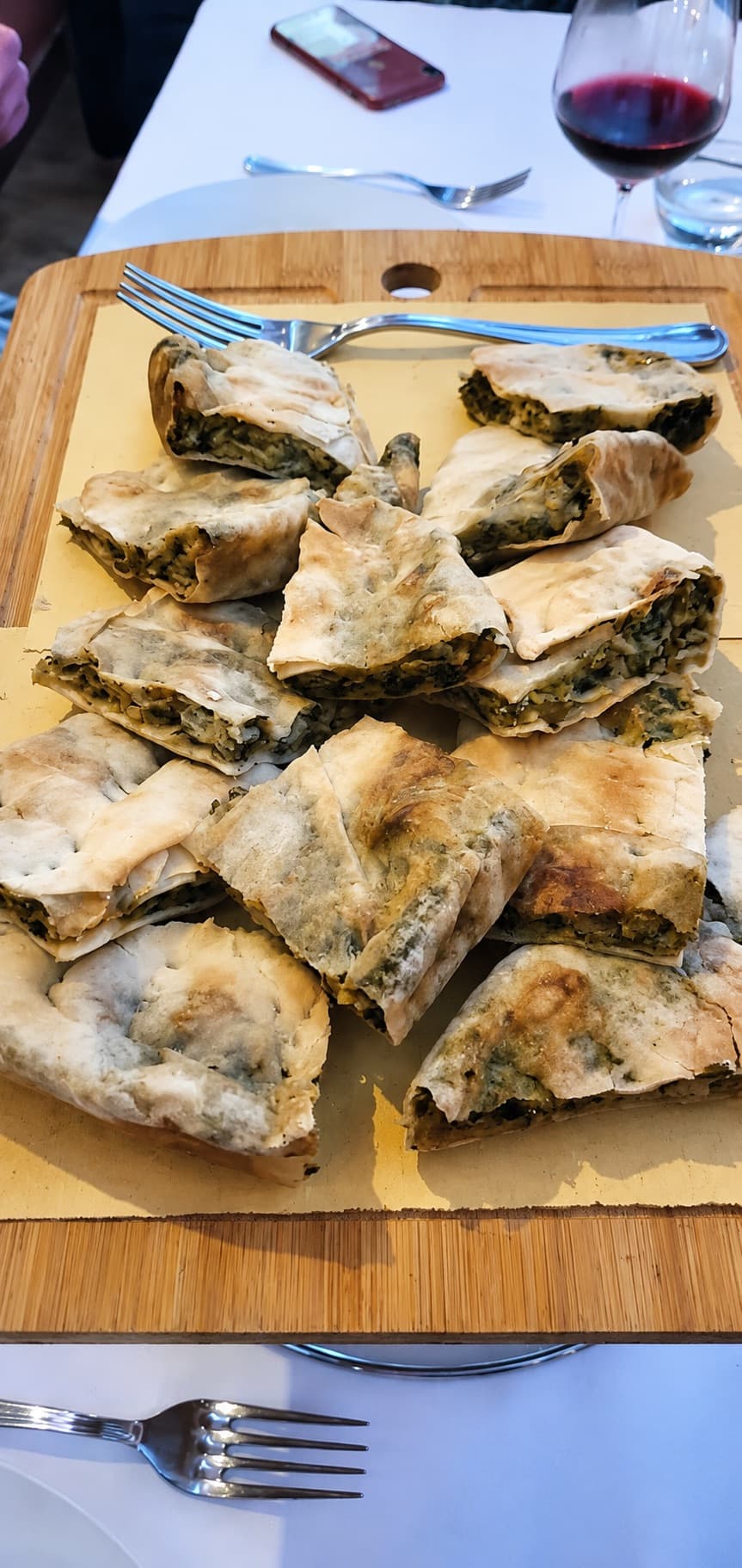
The rustic pastry pie filled with wild herbs and seasonal vegetables, baked in the testi or in the oven. Every family in the valley has its own version, and it is always, naturally, the right one. We make ours in house, and you will find it on the menu among the starters (€6), also as part of the Antipasto Gourmet alongside the bruschetta with lardo and Lunigiana PDO honey.
4. Lasagne bastarde
They are called "bastard" because the wheat flour is crossed with chestnut flour: dark lasagne with a bittersweet taste, traditionally dressed with a light pesto or with oil and pecorino. A dish that tells you about the centuries when wheat was a luxury in Lunigiana.
5. Zeri lamb
In the valleys of Zeri a native breed of sheep is raised free range, today a Slow Food Presidium. The traditional cooking is in the testi, with potatoes: meat that smells of grass, worth looking for in the trattorie of the high valleys and at the summer festivals.
6. Porcini mushrooms
In autumn the woods of Lunigiana turn into a larder: porcini arrive in the trattorie with tagliatelle, grilled or fried. If you are around between September and October, it is the greediest time of the year.
7. Pattona and castagnaccio
For centuries the chestnut was the bread of these valleys. Pattona is a rustic preparation of chestnut flour, traditionally cooked in chestnut leaves: it is eaten with ricotta or pancetta. Castagnaccio, with pine nuts and rosemary, is the baked cake made from the same flour. Ancient flavours, from the bakery and from the festival stand.
8. Lunigiana PDO honey
The first Italian honey to be awarded PDO status: delicate acacia, or chestnut, decided and slightly bitter. Perfect on cheese (we serve it on the bruschetta with lardo) and worth taking home as an edible souvenir.
9. Spongata
A Christmas cake of very ancient origins, shared between Lunigiana, Liguria and Emilia: thin pastry and a rich filling of honey, dried fruit and spices. The Pontremoli version is among the best known, in the historic pastry shops all year round.
10. Focaccette
Discs of lightly leavened dough, made with wheat and maize flour, cooked in terracotta testi: puffed, golden, to be filled with cured meats and cheeses. The farmers' snack of the lower valley, and the star of some much loved festivals.
11. Vermentino dei Colli di Luni
For drinking, the valley answers with Vermentino: a direct, savoury white wine that is born a stone's throw from here, between Liguria and Tuscany. It goes with nearly everything you have read above. And, we admit it, it goes beautifully with paella too.
12. Our exception: the paella at El Caracol
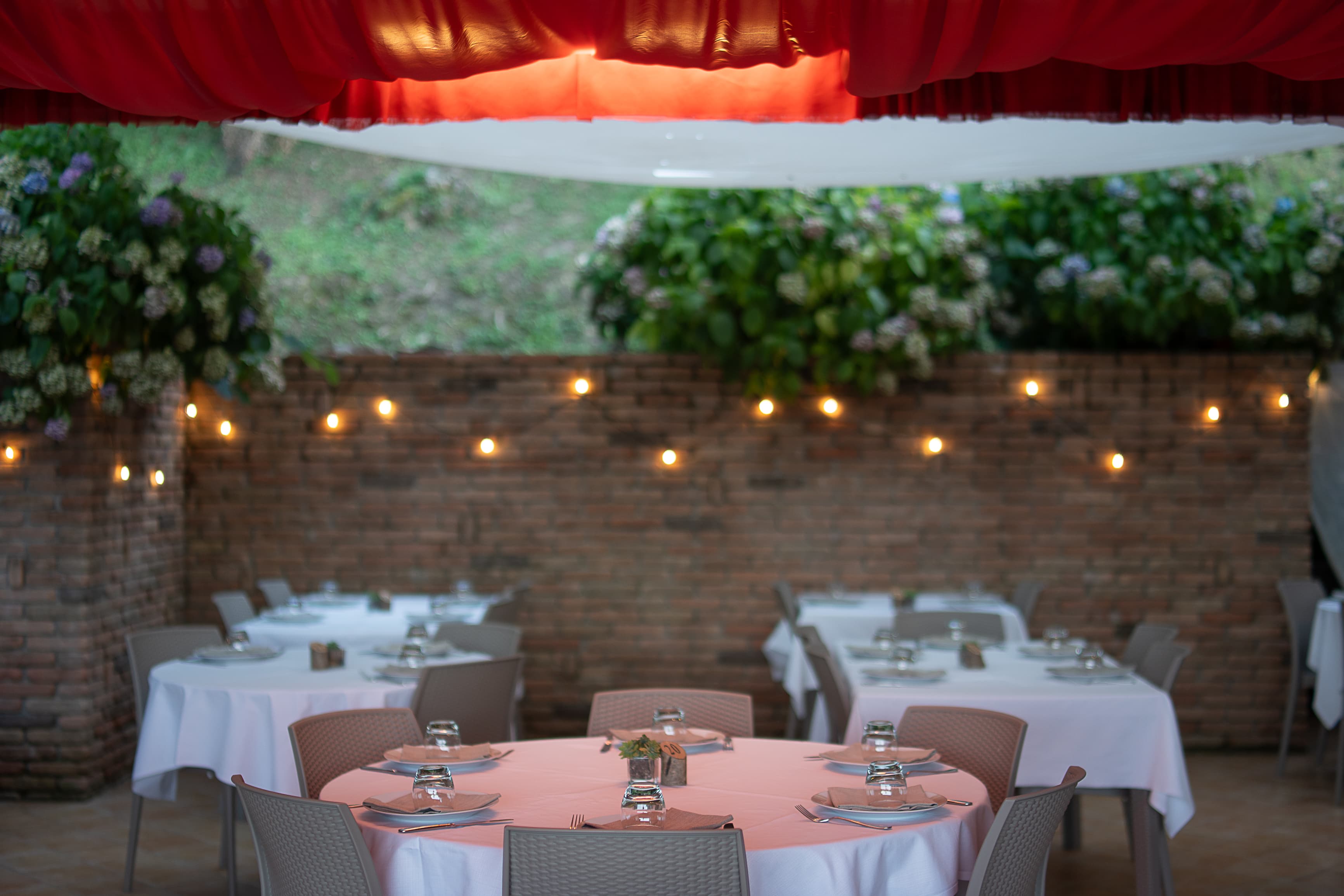
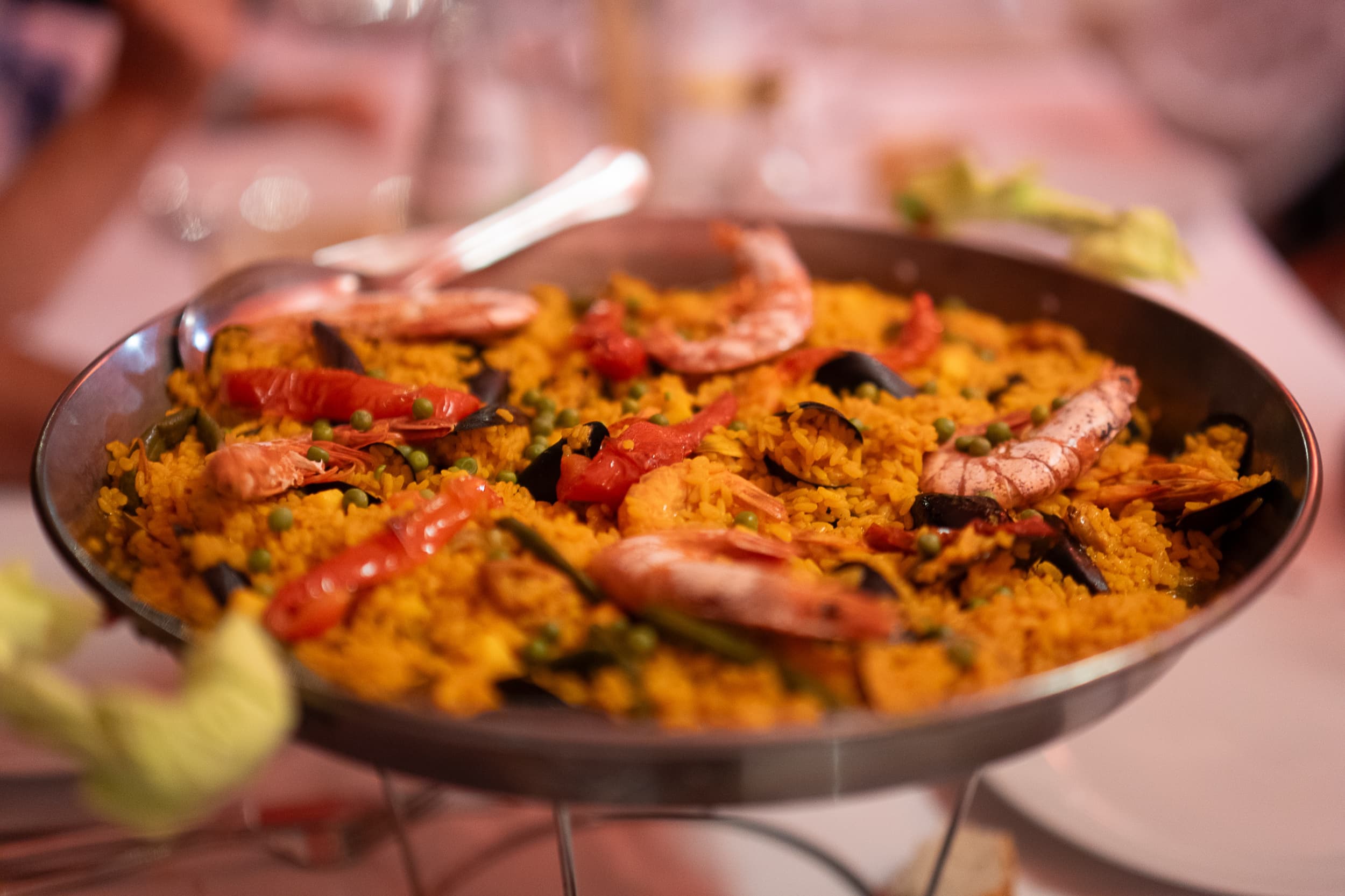
The twelfth dish is ours, and we say so straight away. Since 1977, in Mulazzo, the Novoa family has been making its own paella, from the recipe Antonio brought over from Galicia. And next to it, on the menu, are the Lunigianese flavours Elsa always insisted on: testaroli with pesto, homemade torta d'erbi, porcini. The only restaurant in Lunigiana with a Spanish kitchen, and with the real Lunigiana on the menu: here it is.
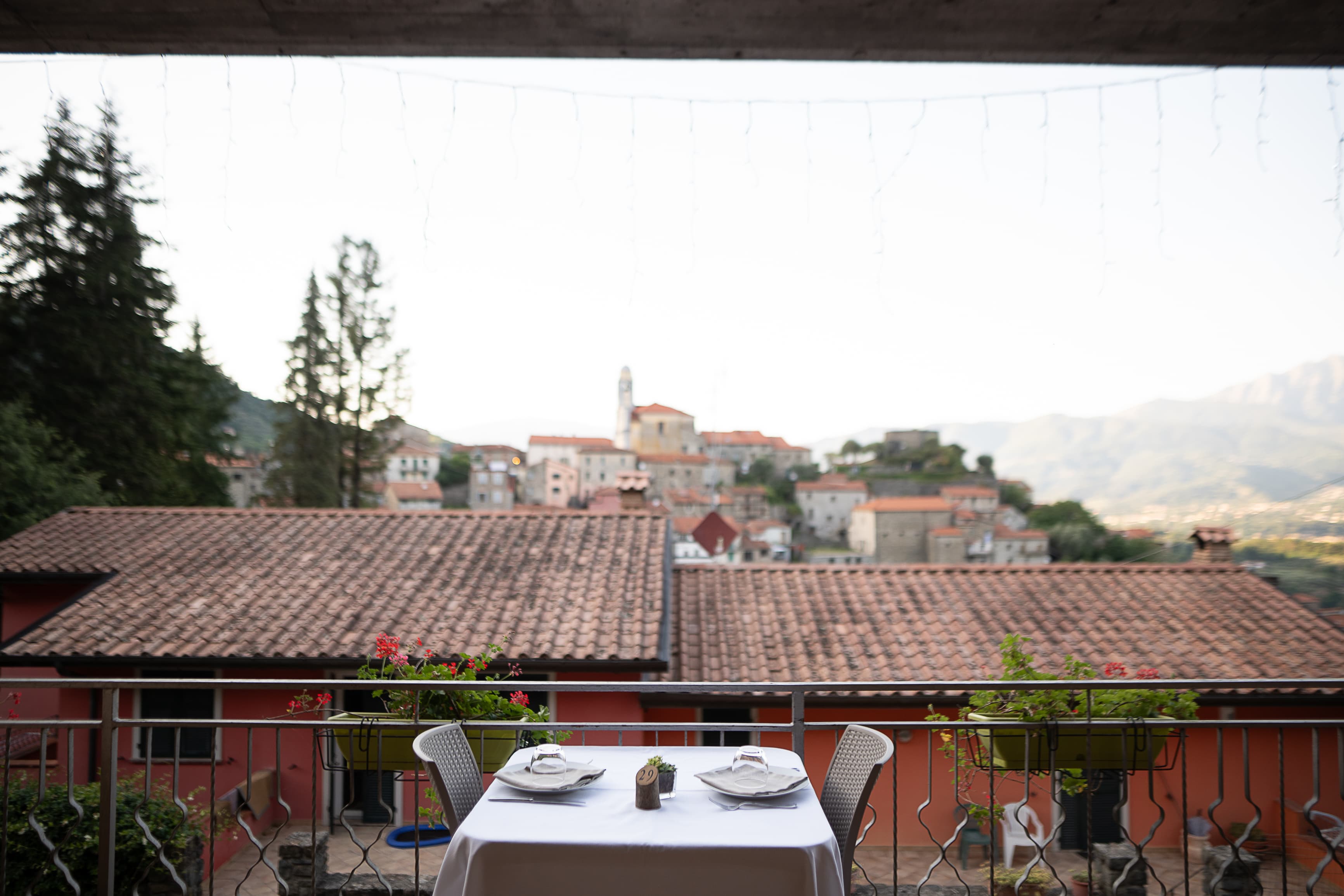
To top it off, there is the remarkable view our restaurant has over the whole valley, with the Apennines as a backdrop: a postcard of Lunigiana worth photographing.
Where to start?
If it is your first time in the valley: testaroli in Pontremoli, panigacci in Podenzana and dinner with us in Mulazzo, where testaroli and torta d'erbi sit on the menu next to the paella, already cover the three souls of Lunigiana: the ancient one, the convivial one and the one you do not expect. The complete guide, with the food villages and the prices, is here: where to eat in Lunigiana. For opening times and bookings everything is on the Find us page, and for sleeping there are our eight rooms above the restaurant.
Did you enjoy this article?
Keep reading
Testaroli: what they are and where to eat them in Lunigiana
The testarolo is among the oldest first courses in Italy: what it really is, how it is cooked in the testi, the difference from panigacci, and where to eat it in Lunigiana, from Pontremoli to the summer village festivals.
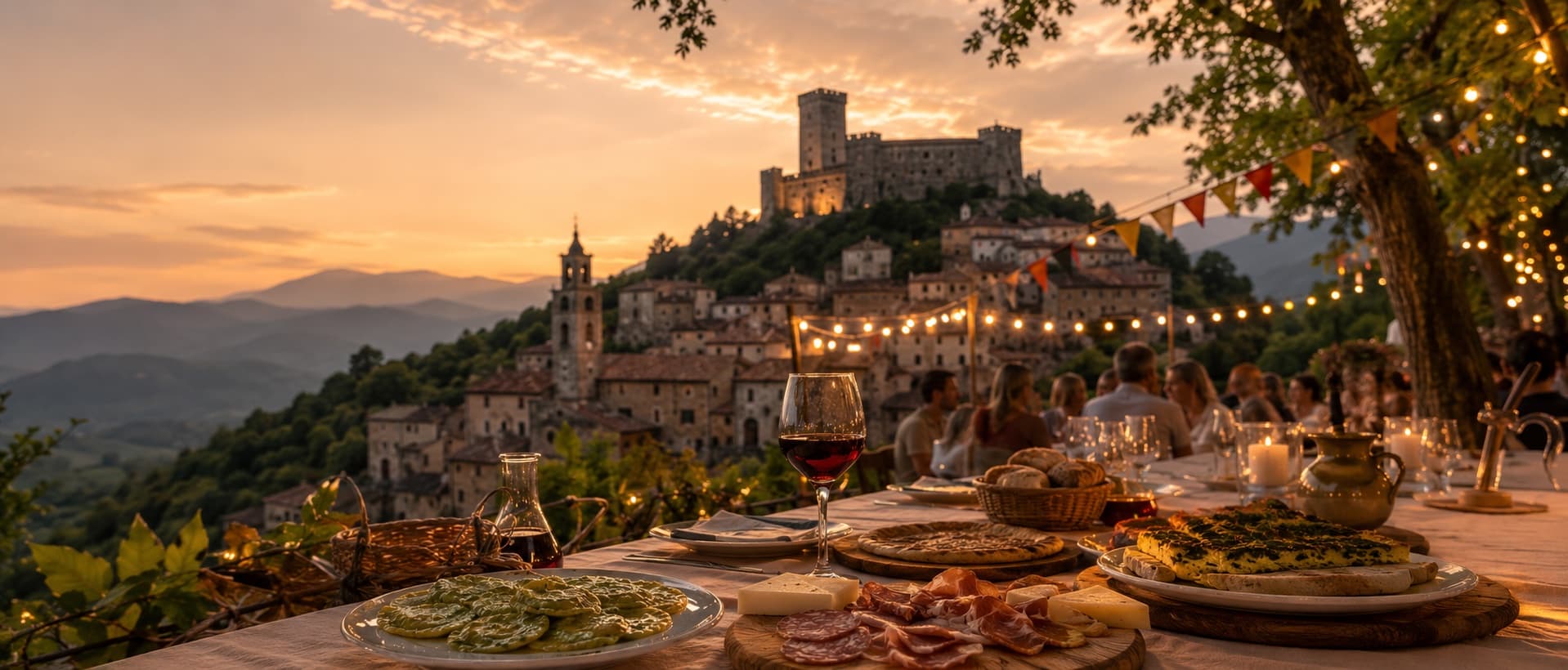
Food festivals and events in Lunigiana 2026: the complete guide
Every sagra and event of summer 2026 in Lunigiana, village by village: confirmed dates, local dishes and advice from people who have lived in Mulazzo since 1977.
El Caracol
Mulazzo, Lunigiana — dal 1977