
Testaroli: what they are and where to eat them in Lunigiana
The testarolo is among the oldest first courses in Italy: what it really is, how it is cooked in the testi, the difference from panigacci, and where to eat it in Lunigiana, from Pontremoli to the summer village festivals.
Anyone arriving in Lunigiana for the first time soon runs into a word they have never heard: testaroli. It has nothing to do with the pasta you know: it is a preparation that comes from much further back, considered one of the oldest first courses in Italy. Here is what they are, how they are made and where to really eat them.
What testaroli are
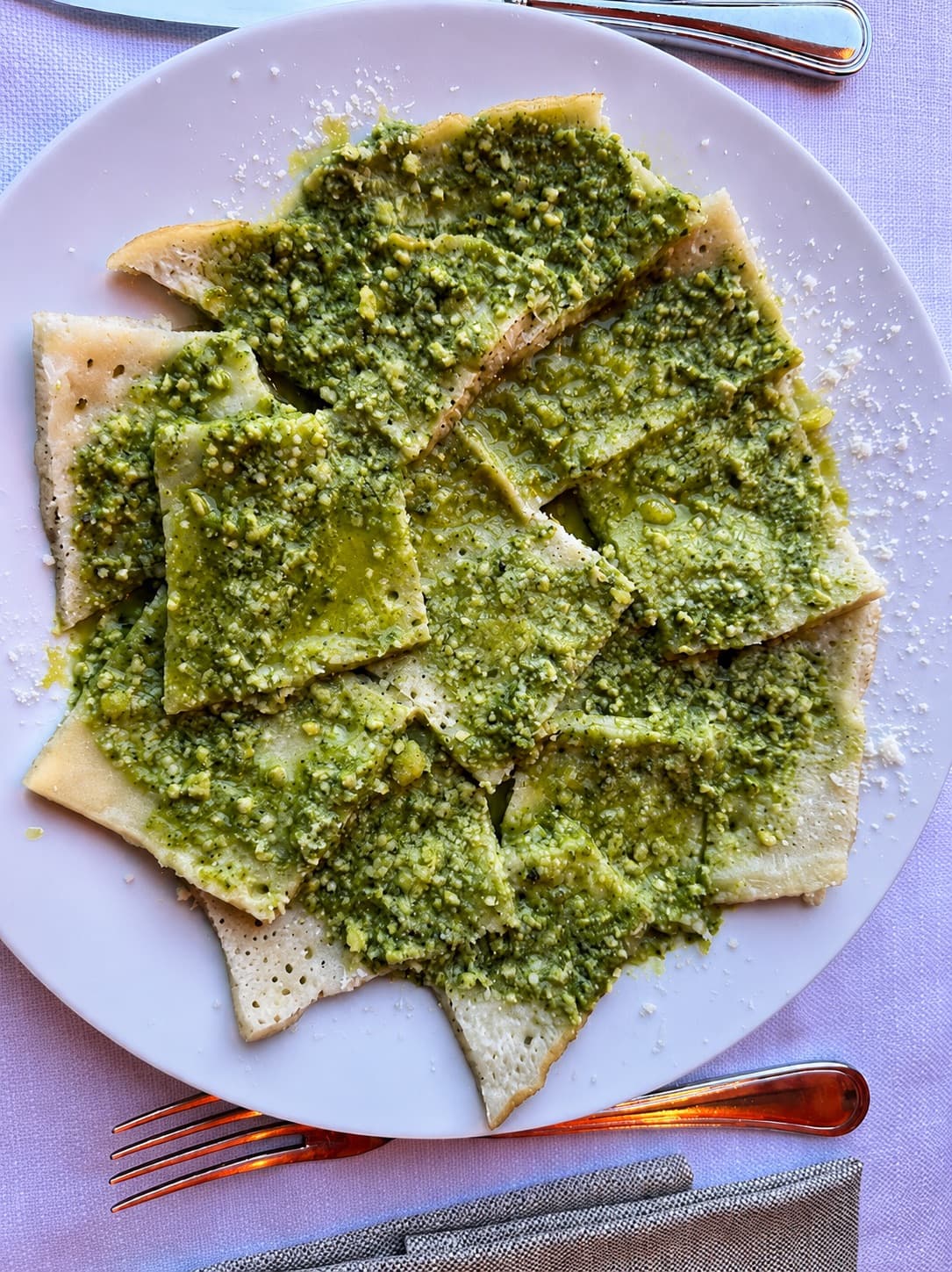
The testarolo starts from the simplest of batters, water, wheat flour and salt, poured into the testi, thick cast iron pans (once terracotta) heated red hot over the fire. The scorching lid cooks the batter in a few minutes: out comes a soft, porous disc, rather like a large, thick crêpe.
The disc is then cut into diamonds and, just before serving, dipped for a moment into lightly salted boiling water. That porosity is the secret: the testarolo soaks up its dressing the way no pasta can.
How they are dressed
Tradition does not leave much room for argument:
- With pesto, the dressing par excellence: we are on the border with Liguria here, and you can taste it;
- With extra virgin olive oil and parmesan (or pecorino), the oldest and plainest version;
- At village festivals you sometimes find them with mushrooms, in autumn.
Testaroli and panigacci are not the same thing
This is the most common mistake visitors to the valley make. Testaroli are a liquid batter cooked in the testo, then boiled and dressed like a first course. Panigacci di Podenzana, on the other hand, are discs of unleavened dough cooked in direct contact between red hot terracotta testi, served dry and filled with cured meats and fresh cheeses, to be eaten with your hands.
Where to eat them in Lunigiana
The recognised home of the testarolo is Pontremoli, in the upper valley: this is where the artisan testarolo pontremolese became a Slow Food Presidium, and where the historic trattorie serve it all year round. You will find it throughout Lunigiana though: on the menus of village osterie, at the summer festivals and in grocery shops, ready to boil at home. For the full picture of villages and tables there is our guide to where to eat in Lunigiana.
And at our place?
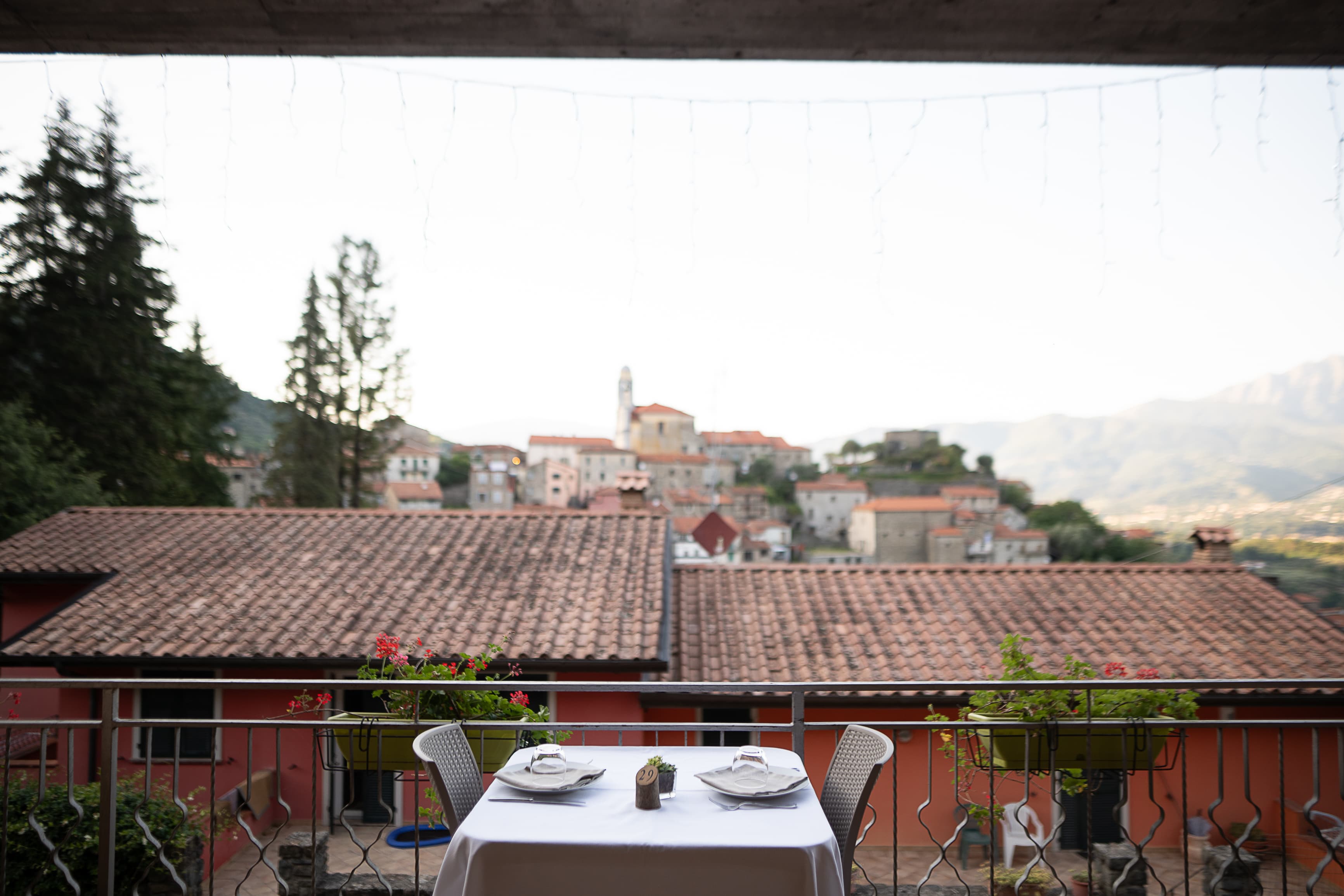
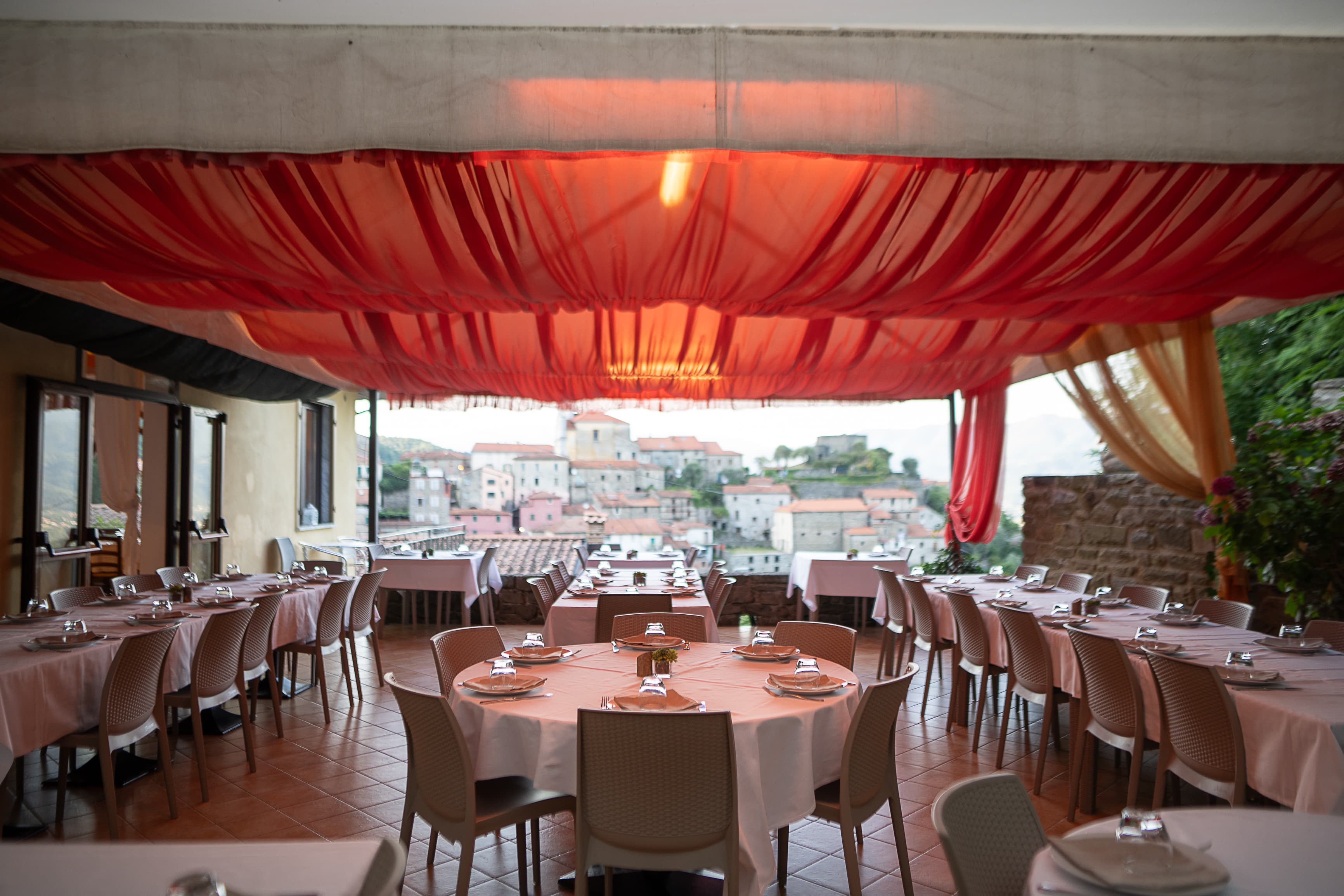
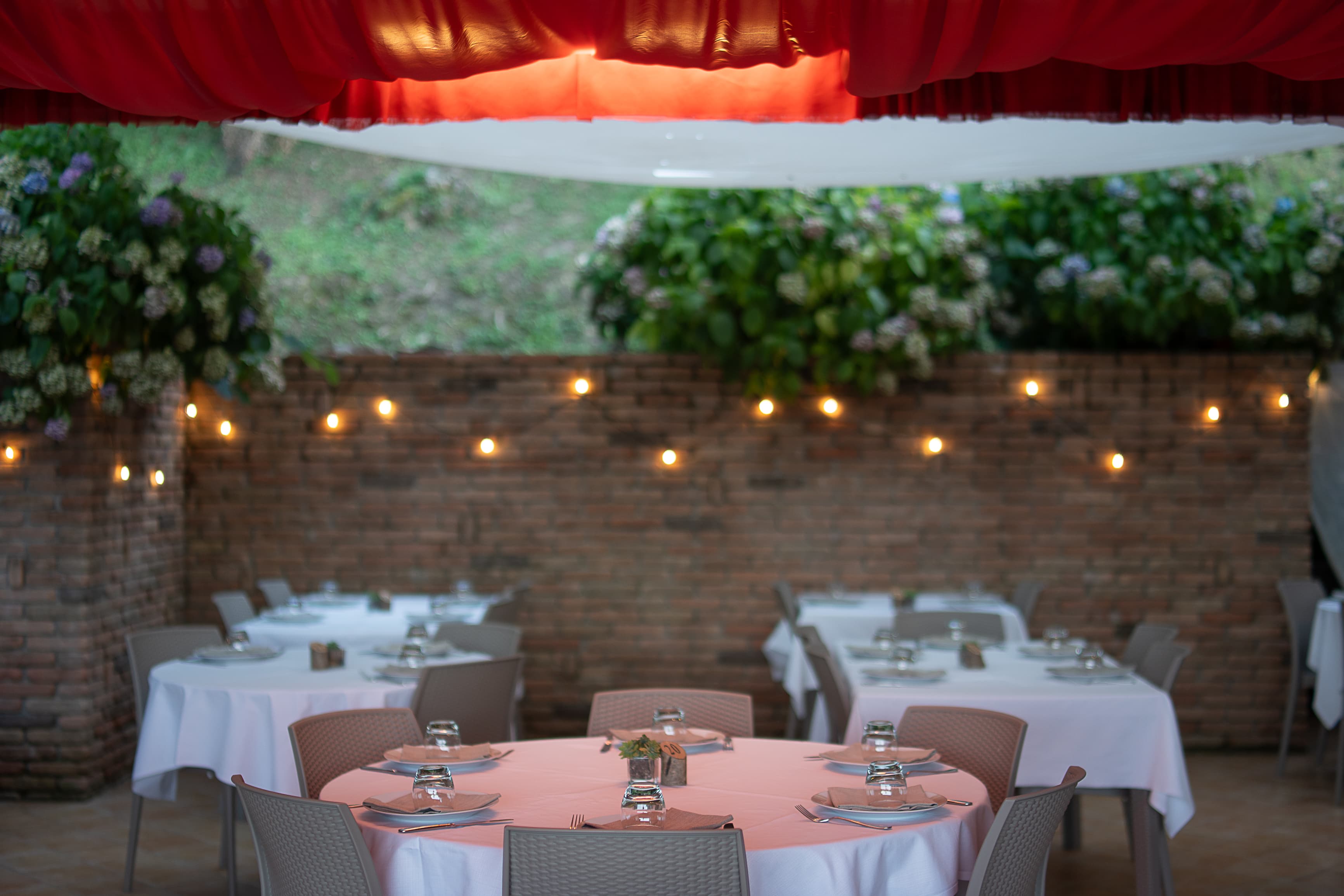
Yes, testaroli with pesto are on our menu too (€8): we get them from a local bakery in the valley (around here making testaroli is a craft of its own, so you buy from the people who have always done it) and we dress them with fresh basil pesto, pine nuts and garlic. This is the Lunigianese half of our table, Elsa's half. Next to it, since 1977, sits our paella. Spain and Lunigiana on the same menu, with the terrace over the village of Mulazzo as the setting.
In short
Testaroli are the oldest and most defining dish of Lunigiana: a batter of water and flour cooked in the testi, cut into diamonds, boiled and dressed with pesto. You eat them in Pontremoli, across the valley and, with us, in Mulazzo: they cost little and they tell a great deal. To build a whole weekend around them: what to see in Lunigiana in two days and what to eat, dish by dish.
Did you enjoy this article?
Keep reading
What to eat in Lunigiana: 12 dishes that tell the story of this land
Testaroli, panigacci, torta d'erbi, Zeri lamb, lasagne bastarde and the other typical dishes of Lunigiana: the complete guide, dish by dish, written by people who have been cooking in Mulazzo since 1977.
Food festivals and events in Lunigiana 2026: the complete guide
Every sagra and event of summer 2026 in Lunigiana, village by village: confirmed dates, local dishes and advice from people who have lived in Mulazzo since 1977.
El Caracol
Mulazzo, Lunigiana — dal 1977