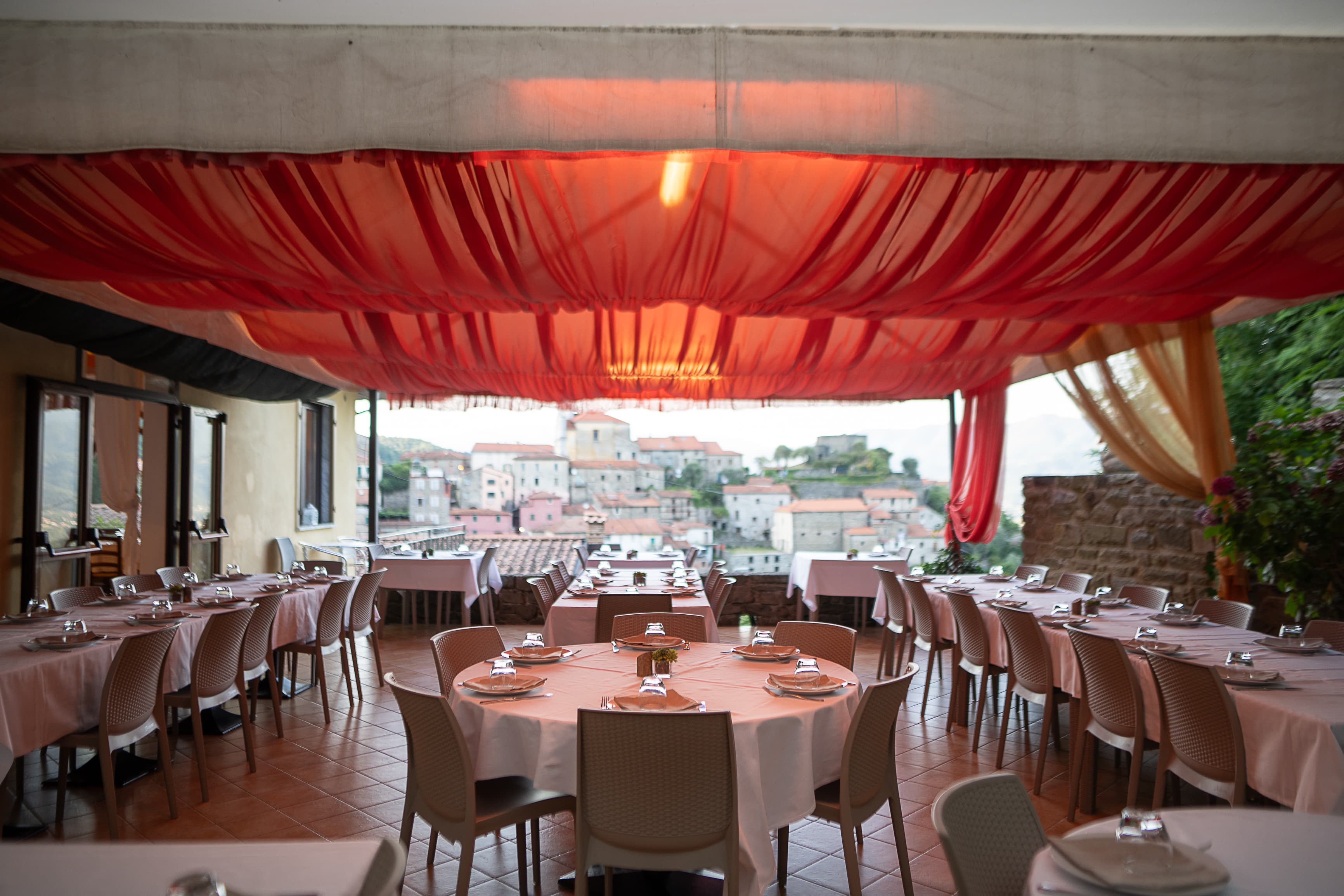
There is one exact spot on our terrace in Mulazzo where two worlds look at each other: the medieval village of Lunigiana on one side and, on the plate, the scent of Spain on the other. It is not a coincidence. It is the result of a meeting, of a decision, and of almost fifty years spent behind the same stoves. This is the story of how El Caracol came to be, and of why we still run it as a family.
From Lausanne to Mulazzo: two worlds meet
It all begins a long way from here. Antonio Novoa came from Galicia, the Atlantic Spain of cold seas, octopus and cooking with character. Elsa Giannardi was born in Mulazzo, in the heart of Lunigiana. They met in Switzerland, in Lausanne, where both had emigrated looking for work, like so many people of their generation.
Everything came out of that meeting: a couple, a family and, in time, the idea that the two lands they came from were not so far apart after all. Both speak the same language when it comes to sitting down at the table: the language of welcome, of dishes shared, of time that stretches out.
1977: El Caracol opens
When Antonio and Elsa decided to come back to Italy, they chose Mulazzo. And it was here that in 1977 they opened El Caracol: a restaurant that brought to Lunigiana something these valleys had never seen. Spanish cooking, the home cooking Antonio had grown up with, arrived in a Tuscan village and put down roots.
At the beginning it took courage more than anything: offering paella to people raised on testaroli and panigacci was not an obvious move. But curiosity won, and what started as an experiment became an address.
A kitchen that speaks two languages
The good thing about El Caracol is that we never had to choose. Our cooking is Spanish and Lunigianese at the same time, and neither side overrules the other.
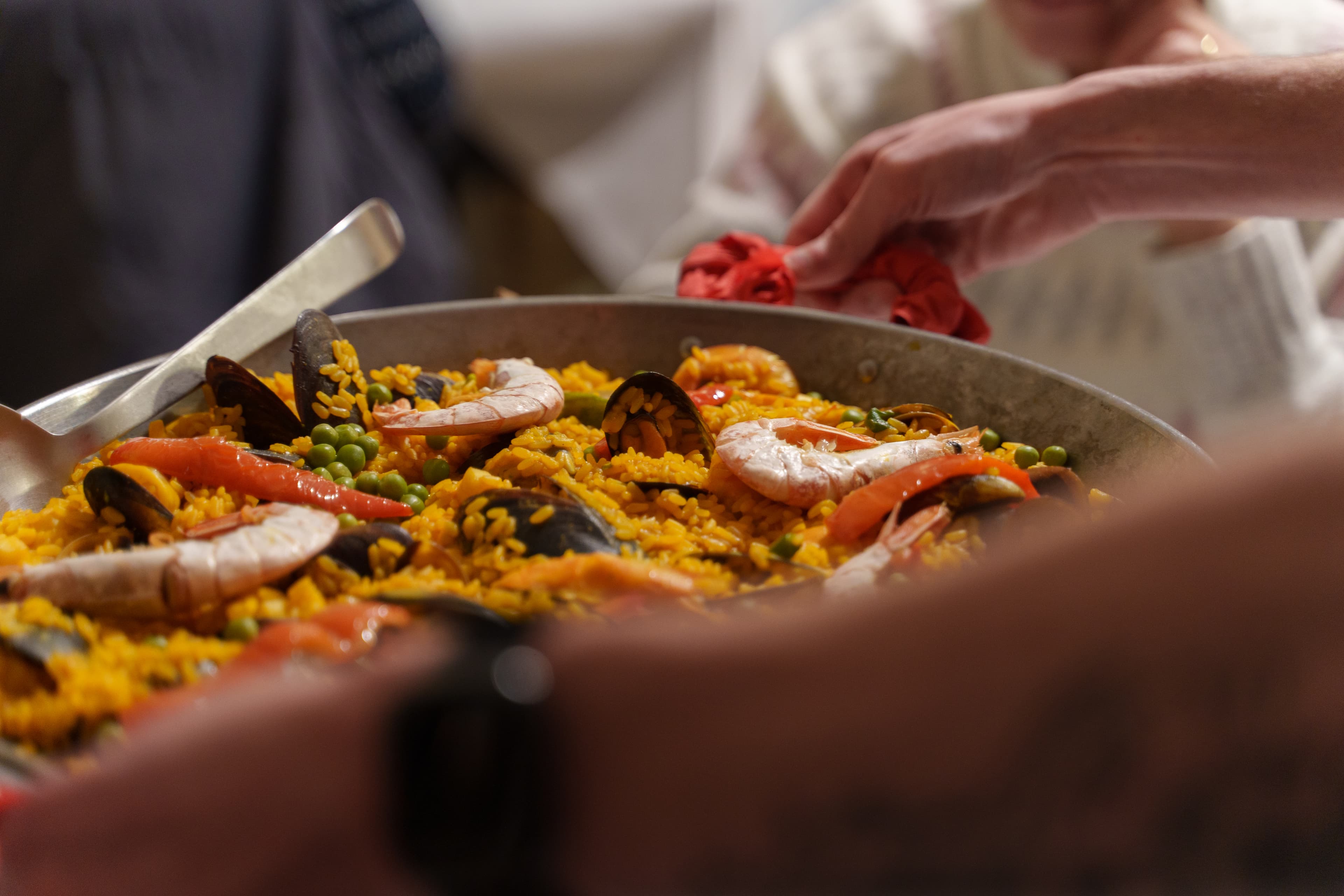
On one side there is Antonio's Spain: paella valenciana, polpo alla gallega (octopus the Galician way), crema catalana. On the other side there is the land around us: the flavours of Lunigiana, the produce of these valleys, the tradition Elsa brought from home.
Paella, our common thread
If there is one dish that stands for us, it is our paella. We make it the way it has always been made in the family, following our own tradition, with care and patience. It is also, quite simply, good: cooked with the right rice, it is naturally gluten free, and plenty of people drive a long way just for this.
Everything else turns around it: the seafood dishes, the Spanish specialities, and pizza too.
Three generations on the same terrace
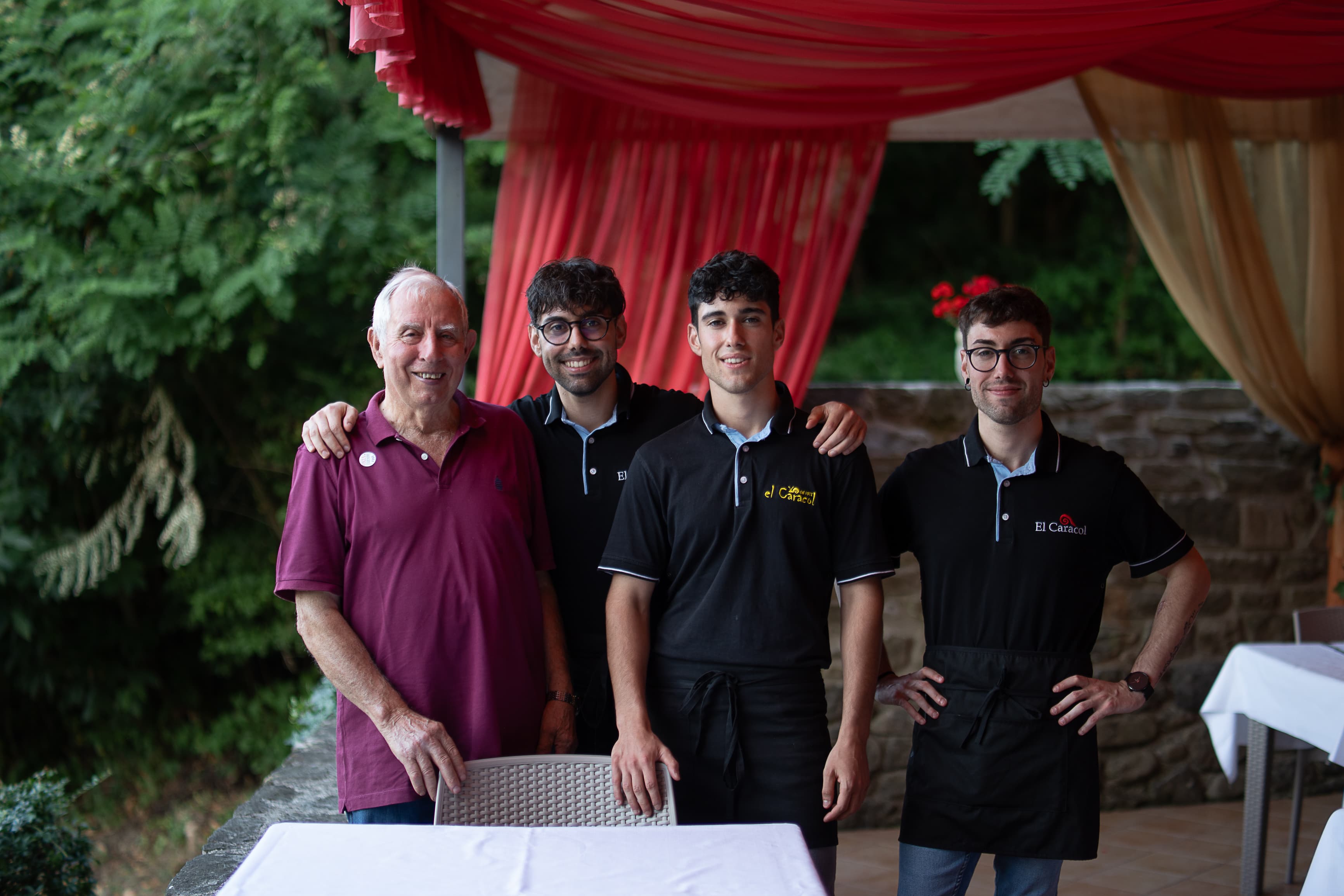
What we are proudest of is not a dish: it is that after almost fifty years El Caracol is still a family story. Today Gianmarco and Federica are in the kitchen; Gianluca, Alessandro and Gioele are in the dining room. Three generations of the same family, between the stoves and the tables.
The people change, the recipes and the way of welcoming stay the same. That is what we try to make our guests feel when they come all the way up here: not that they are walking into a restaurant, but that they are sitting down at a family's table.
Come and see us
El Caracol is in Mulazzo, in Lunigiana, about 35 minutes from La Spezia. We are a restaurant and pizzeria and, for anyone who wants to stay the night, also a small hotel looking onto the village.
If you feel like tasting a story that has been going since 1977, our terrace is waiting for you. The paella is on us. And if you want to stay more than one evening, there is a lot to see around here: we have put together a guide to a weekend in Lunigiana.
Did you enjoy this article?
Keep reading
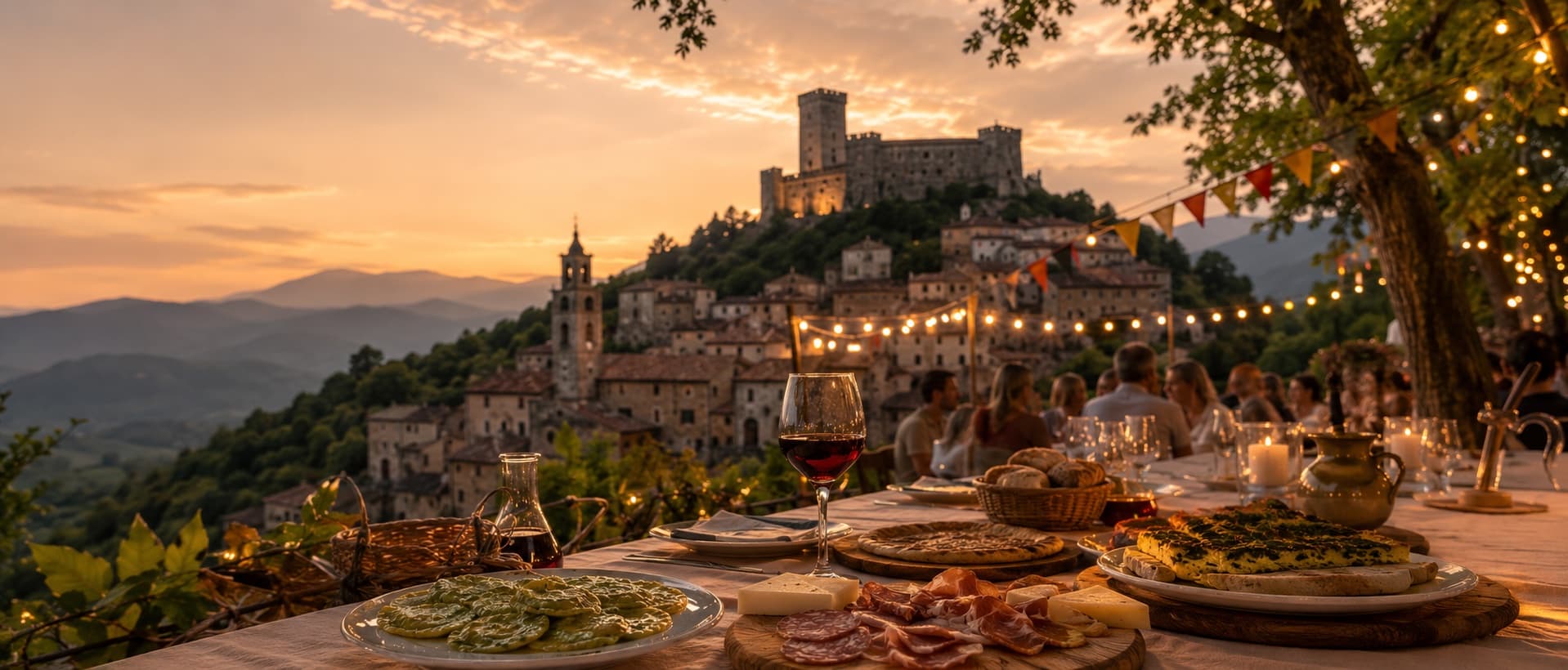
Food festivals and events in Lunigiana 2026: the complete guide
Every sagra and event of summer 2026 in Lunigiana, village by village: confirmed dates, local dishes and advice from people who have lived in Mulazzo since 1977.
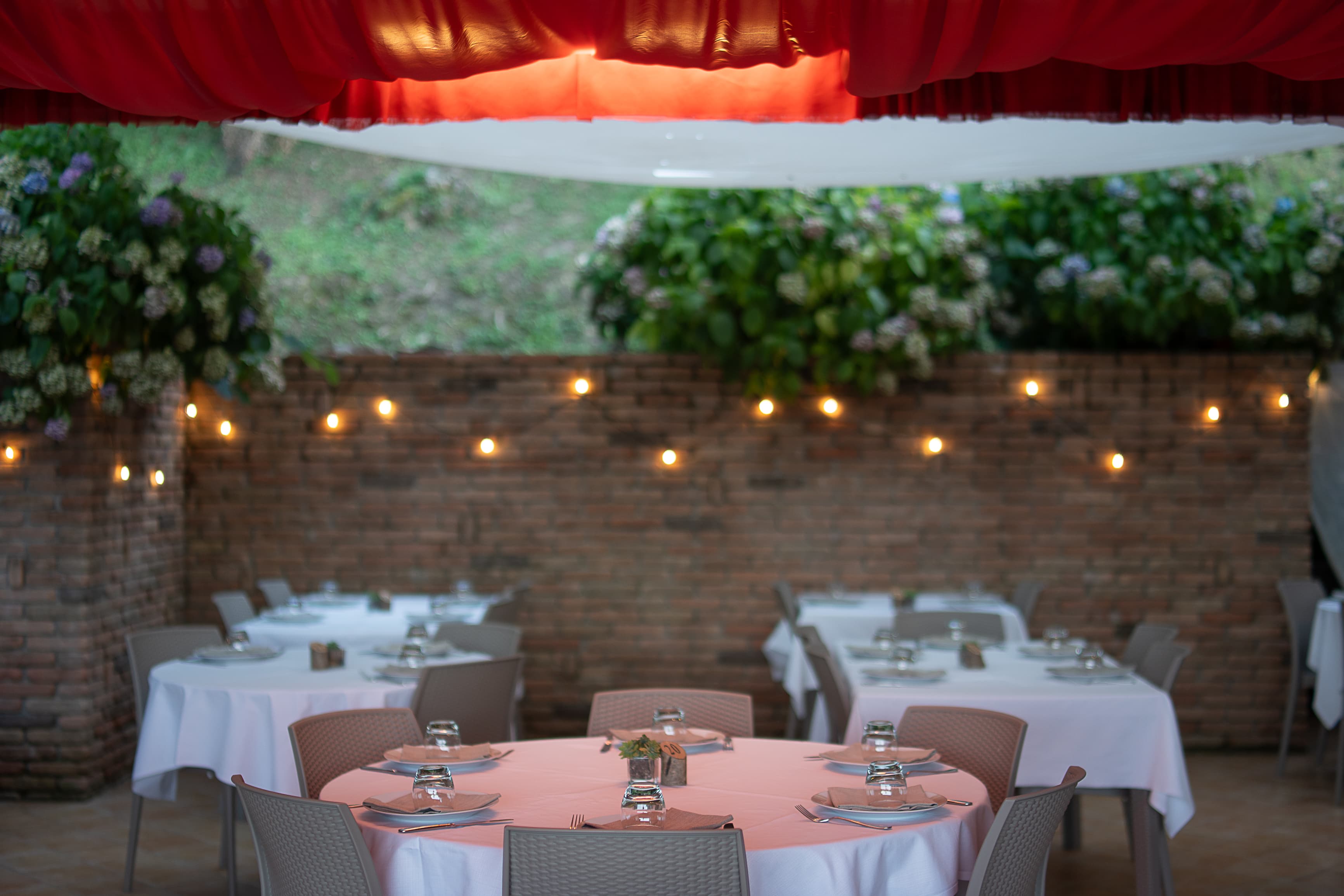
What to eat in Lunigiana: 12 dishes that tell the story of this land
Testaroli, panigacci, torta d'erbi, Zeri lamb, lasagne bastarde and the other typical dishes of Lunigiana: the complete guide, dish by dish, written by people who have been cooking in Mulazzo since 1977.
El Caracol
Mulazzo, Lunigiana — dal 1977